
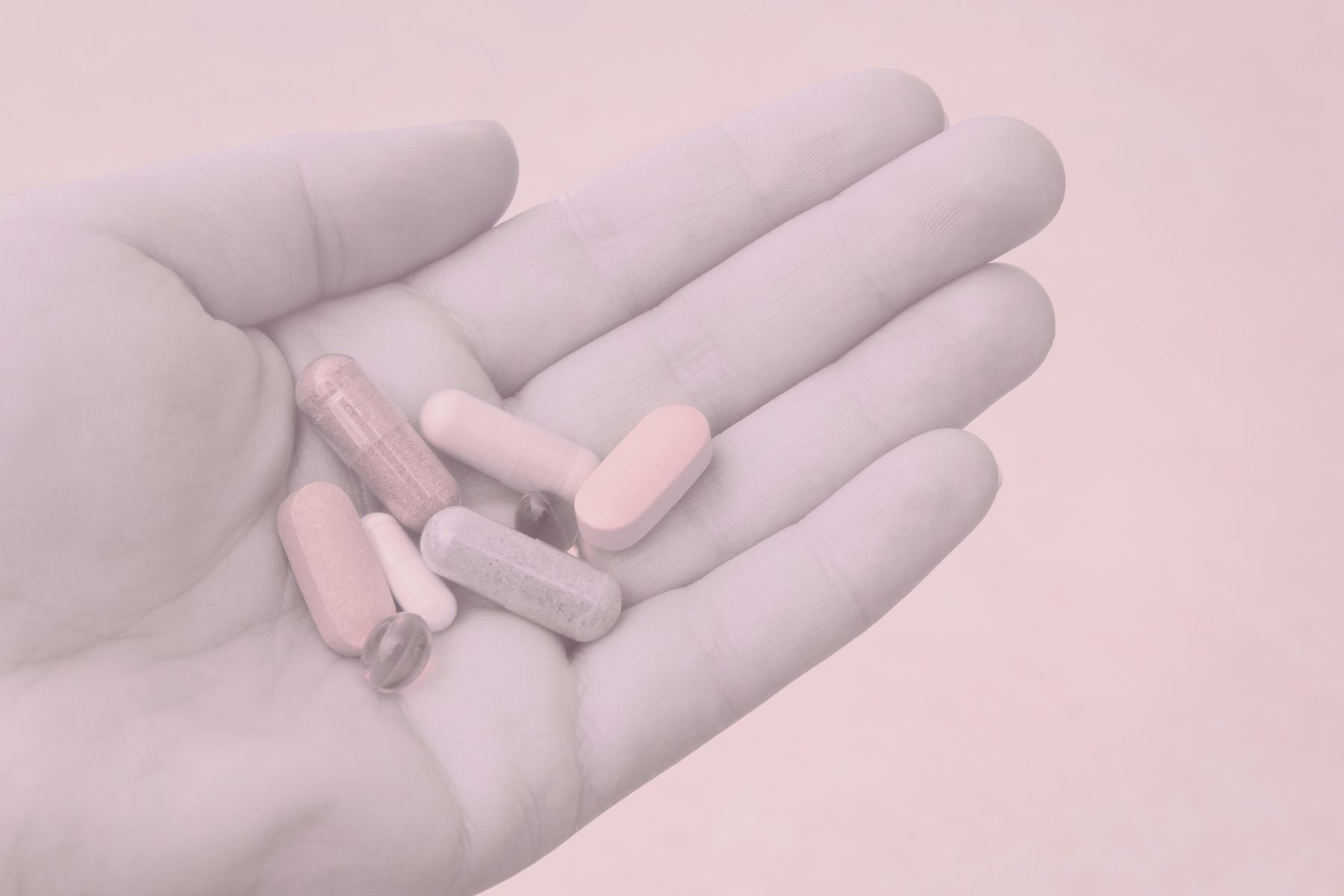
PCOS / PMOS Supplements: What Actually Helps (And Why Personalisation Matters)
PCOS / PMOS Supplements: What Actually Helps (And Why Personalisation Matters)
If you’ve been diagnosed with PCOS / PMOS, chances are you’ve already been overwhelmed with supplement advice.
One person tells you to take inositol. Another swears by berberine. TikTok says magnesium. Instagram recommends 10 different powders, herbs and capsules… and suddenly you’re left wondering:
“What do I actually need… and what’s a waste of money?”
The truth is, supplements can absolutely play a valuable role in supporting PCOS / PMOS symptoms — but they work best when they’re chosen based on your hormones, your biochemistry, your symptoms and what your body actually needs.
Because PCOS / PMOS is not one-size-fits-all…
And neither is your supplement plan.

Common Supplements Used in PCOS / PMOS Management
There are many supplements that have been researched for supporting PCOS / PMOS, including:
Myo-inositol
Zinc
Omega-3 fatty acids (fish oil)
Berberine
Herbal medicines such as licorice and peony
But the question isn’t simply:
“What supplements help PCOS / PMOS?”
The more important question is:
“What supplements does YOUR body need?”
Why Personalised Nutrient Testing Matters for PCOS / PMOS
PCOS / PMOS can look completely different from one person to another.
For some women, symptoms may be driven by:
insulin resistance and blood sugar dysregulation
inflammation and oxidative stress
androgen excess (acne, unwanted hair growth, hair thinning)
irregular ovulation and cycle dysfunction
nutrient deficiencies impacting hormones, energy and metabolism
This is why a generic “PCOS supplement list” can fall short.
A supplement that helps one person may not address your underlying drivers and in some cases, taking unnecessary supplements can create new imbalances.
Testing helps remove the guesswork.
It allows us to understand:
what nutrients your body may be lacking
which systems need support
which supplements are worth investing in
where we should focus first
Because supplements should support your body, not become another confusing thing you have to manage.
The Truth About “Essential” PCOS / PMOS Supplements
You’ll often see certain supplements labelled as “essential” for PCOS / PMOS.
And while research suggests many of these nutrients can be beneficial, there are important considerations.
For example:
Zinc is commonly low in women with PCOS / PMOS, but excessive supplementation can contribute to copper depletion.
Berberine can be helpful for insulin resistance, but it may not be suitable for everyone and can cause digestive side effects.
Inositol can support ovulation and insulin regulation, but dosage and ratios matter.
The goal isn’t to take everything.
The goal is to identify what your body needs and use targeted support.
1. Zinc for PCOS / PMOS: Skin, Hormones & Ovulation Support
Zinc is an essential mineral involved in:
hormone regulation
immune function
skin health
inflammation control
reproductive health
Research suggests zinc may support PCOS / PMOS by helping:
improve androgen balance
support clearer skin
reduce inflammation
support healthy ovulation
However, zinc supplementation should always be balanced and guided.
Too much zinc over time can reduce copper absorption and contribute to symptoms such as fatigue, immune changes and nutrient imbalance.
Best approach: test first, supplement second.
2. Myo-Inositol: One of the Most Research-Supported PCOS / PMOS Supplements
Myo-inositol is one of the most studied nutrients in PCOS / PMOS, particularly for women experiencing:
insulin resistance
irregular cycles
difficulty ovulating
fertility challenges
It works by supporting insulin signalling, which is important because insulin resistance can increase androgen production and interfere with ovulation.
Myo-inositol may help:
improve insulin sensitivity
support healthy blood sugar regulation
encourage more regular cycles
support ovulation
support egg quality
Many studies explore the combination of:
Myo-inositol + D-chiro-inositol (40:1 ratio)
to support the balance naturally found within the body.
However, the right approach depends on your individual presentation.
3. Licorice + Peony: Herbal Support for Androgen Excess
For women whose PCOS / PMOS symptoms are strongly linked with androgen excess, such as:
acne
unwanted facial hair
scalp hair thinning
Licorice and peony have traditionally been used to support:
hormone regulation
androgen balance
inflammation pathways
healthy ovarian function
However, herbal medicine is not “one size fits all.”
Licorice, for example, may not be appropriate for everyone, particularly those with blood pressure concerns or certain health conditions.
This is why personalised prescribing matters.
Natural does not automatically mean suitable for every person.
4. Fish Oil: Inflammation, Mood & Metabolic Support
Inflammation is an often-overlooked component of PCOS / PMOS.
Chronic low-grade inflammation can contribute to:
insulin resistance
hormonal disruption
fatigue
metabolic changes
A high-quality fish oil may support:
reduced inflammation
cardiovascular health
cholesterol and triglyceride balance
mood and nervous system regulation
Quality matters when choosing fish oil, as purity and dosage can vary significantly between products.
5. Berberine: Powerful Support for Insulin Resistance (But Not Always Suitable)
Berberine is a plant compound that has gained popularity for metabolic health support.
It works through pathways involved in glucose regulation and insulin sensitivity.
Berberine may support:
improved insulin sensitivity
healthier blood glucose levels
cholesterol balance
metabolic health
However, it isn’t suitable for everyone.
Potential side effects may include:
constipation
diarrhoea
nausea
stomach discomfort
It may also interact with medications.
If berberine is appropriate, it’s best introduced carefully, starting with lower doses and monitoring how your body responds.
Final Thoughts: Supplements Should Be Personalised, Not Random
Supplements can be an incredibly valuable part of PCOS / PMOS management — but they should be:
chosen based on your individual symptoms
guided by testing where appropriate
correctly dosed
combined with personalised nutrition and lifestyle support
prescribed with your full health picture in mind
Because PCOS / PMOS is not just about taking the “right supplement”.
It’s about understanding your body.
If you’re tired of feeling confused, overwhelmed, or like you’re constantly buying supplements without knowing if they’re actually helping…
You don’t need another generic list from the internet.
You need a clear plan based on your hormones, your health history and your goals.
Ready to stop guessing and understand what your body actually needs?
Book your Free Naturopathic Assessment for PCOS and we’ll explore what may be contributing to your symptoms, what testing could provide valuable insights, and what personalised support may help you feel more balanced, energised and confident in your health journey.